Keep me updated!
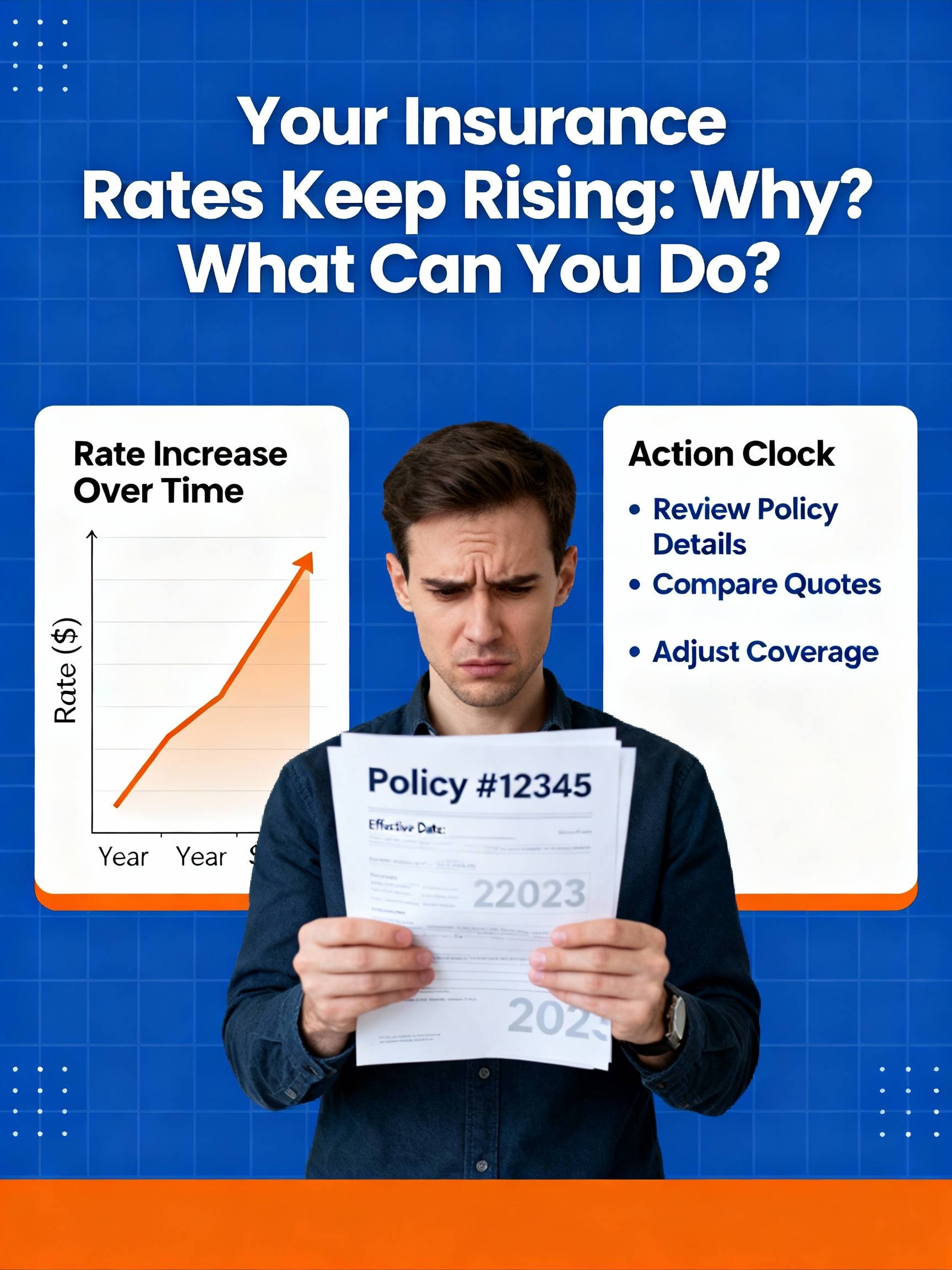
Insurance costs seem to move in only one direction — up. Whether you’re insuring a home, condo or car, prices have increased sharply in recent years. Understanding why this happens, and what you can do to mitigate the financial impact, can help you stay ahead of rising premiums.
Insurance is a necessity much like taxes or utilities, but that doesn’t make the rising costs any easier to swallow. Here’s what’s driving premiums higher — and practical steps you can take to reduce what you pay.
Why Insurance Costs Keep Going Up
Prices rise across all industries over time, and insurance is no exception. If the cost of everything stayed constant, premiums would too. But insurers pay for the same goods and services you do, and when their expenses increase, those costs are passed along to policyholders.
Vehicle repairs illustrate this clearly. A car bumper that once cost $200 to replace may now cost $2,500 thanks to embedded cameras, sensors and technology. Higher repair expenses mean higher claim payouts, which translate to higher premiums.
The same trend applies to homes. Housing prices have surged for decades, and rebuilding costs — materials, labor, permitting — rise right along with them. When homes cost more to repair or replace, insurance must cost more as well.
More Frequent and Severe Claims
Insurers aren’t just paying more per claim; they’re paying more claims, period. Property insurance claims have become larger and more frequent, driven by factors like extreme weather, higher repair costs and more complex materials used in modern homes and vehicles.
As claim frequency and severity rise, insurers must collect more premium from consumers to remain financially sound.
Keep me updated!
Insurers Still Have to Make a Profit
Many insurers are for-profit companies, including those traded publicly. They answer to shareholders who expect growth. If profits fall, stock values drop, and the long-term stability of the insurer can weaken.
Mutual insurance companies — owned by policyholders — face similar financial pressures. Regardless of structure, insurers must maintain solvency to pay claims, and premium increases are often the only way to keep pace.
Housing Costs Affect Insurance, Too
When your home is damaged, insurers may also need to cover your temporary living expenses. As rental costs surge nationwide, this additional coverage becomes far more expensive. Rising rents contribute significantly to increases in homeowners insurance premiums.
How to Reduce Your Insurance Premiums
You can’t stop inflation, but you can take steps to reduce how much you pay.
.
Don’t File Small Claims
Insurance isn’t a savings account — filing frequent small claims can hurt you more than it helps. Two minor claims in a short period can increase your premium dramatically, even if you’ve gone decades without a previous claim.
If you can afford to cover a smaller loss out of pocket, doing so may save you money over time.
Ask for Every Available Discount
Insurers offer many discounts, but your agent may not know what applies to you unless you speak up. Education, affiliations, vehicle features, claims-free history and more can all lead to reduced premiums.
Instead of asking, “Am I getting all the discounts I qualify for?”, try:
“Please tell me all the discounts you offer for this type of policy.”
This prompts a full breakdown, giving you the chance to identify which discounts apply.
Stay Engaged With Your Coverage
Insurance isn’t a set-it-and-forget-it purchase. Review your policies regularly, understand what you’re paying for and discuss options with your agent or broker. Staying informed is the best way to avoid unnecessary costs.
Rising premiums affect everyone, but informed policyholders can take meaningful steps to keep costs under control.
Keep me updated!